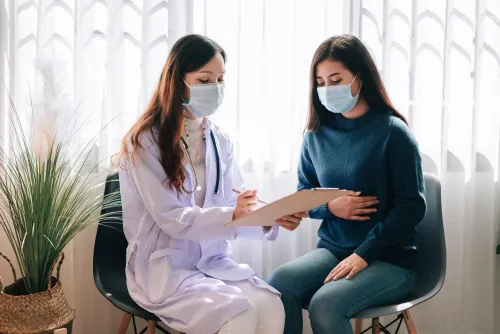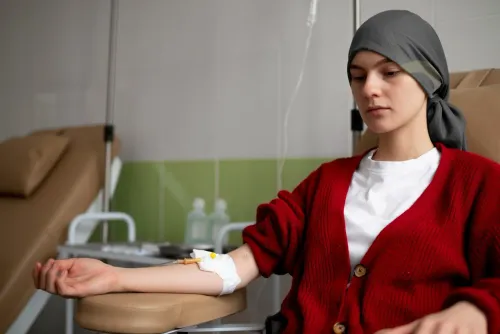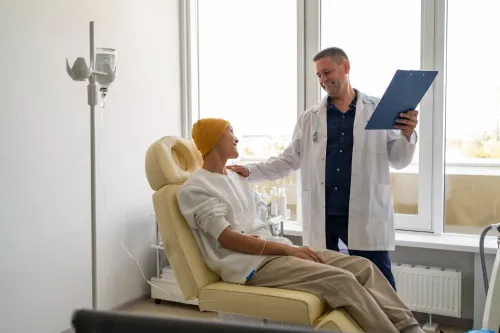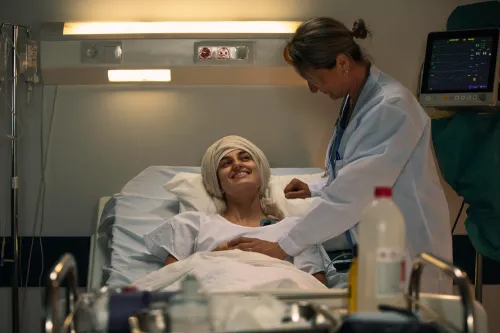

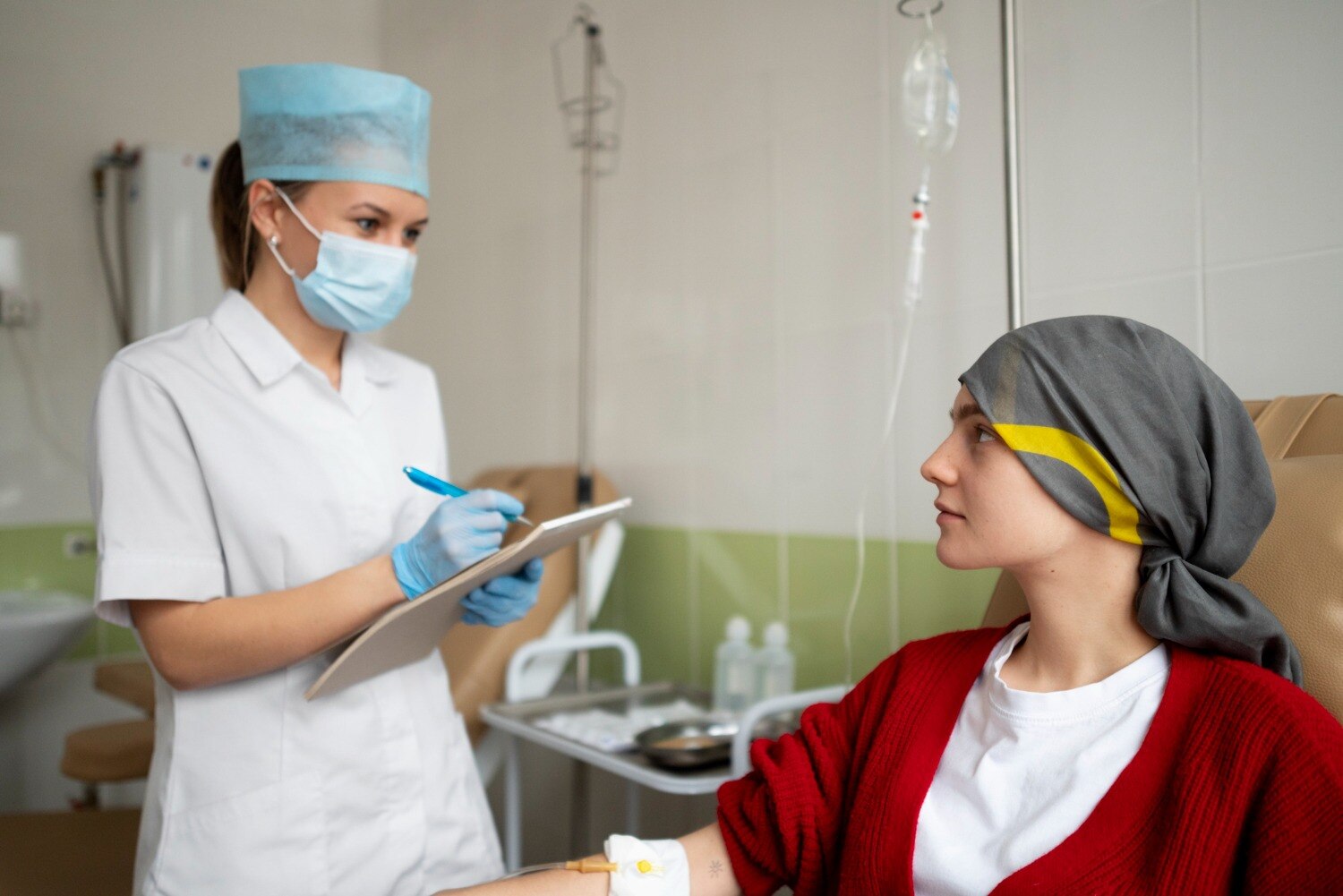
The hours after an infusion require more than going home and resting: you need a transport plan, written medicine instructions, symptom checks, and a clear route to urgent help. By following a time-based recovery plan, you and your caregiver can manage common discomforts while recognising problems that need immediate oncology or emergency assessment.
Key takeaways
- Leave with written instructions, emergency contacts and a responsible adult.
- Track fluids, medicines, temperature and symptoms during the first night.
- Call urgently for breathing trouble, uncontrolled vomiting, confusion or a high fever.
- Arrange transport, meals, rest and follow-up before treatment day.
What to do before leaving and during the first night
Leave only after the daycare unit gives you a written plan and a responsible adult can take you home. Care after chemotherapy infusion includes knowing exactly where to go after hours, not assuming the Pune daycare clinic will remain open.
1. Before discharge, check the drug names, antiemetic schedule, permitted medicines, blood-test dates, next appointment and 24-hour contact number. Save the number in your phone and write down the nearest emergency department.
2. Arrange a calm ride, avoid driving yourself, and keep water, light food, prescribed medicines, a thermometer and a phone charger at home. During the first 4–6 hours, rest, sip fluids as instructed, eat small portions if comfortable, and follow the antiemetic timetable rather than waiting for severe nausea.
3. During the first night, keep your caregiver nearby and check the cannula or port area for increasing pain, burning, swelling, redness, leakage or blistering. Do not rub it or apply heat or cold unless the oncology team gives drug-specific instructions.
4. Contact the oncology team immediately for a temperature of 38°C (100.4°F) or higher, chills, breathing difficulty, chest pain, confusion, uncontrolled vomiting, inability to keep fluids down, severe diarrhoea, bleeding, or a painful red infusion site. Do not take paracetamol to mask fever.
Do not self-start antibiotics, antifungals, steroids, ibuprofen, herbal products, supplements or other medicines; ask first. After daycare chemotherapy for care in Pune, remember that side effects and the neutrophil nadir can appear 7–14 days later, not only on the first night.
How to manage food, fluids, medicines and common side effects
Take the prescribed anti-nausea medicine on its scheduled timetable, not only after vomiting starts. Sip water, oral rehydration solution or clear broth frequently; dark urine, dizziness or very little urine means you need prompt advice.
Choose small portions of rice, toast, bananas, curd or khichdi, and avoid greasy, spicy or strongly scented food when nausea is active.
- During the first 2–3 days, follow this sequence:
- Eat six small meals rather than forcing three large ones.
- Rinse your mouth with plain water or salt-and-baking-soda solution recommended by your team; use a soft toothbrush and avoid alcohol mouthwash, tobacco, citrus and chilli if your mouth is sore.
- For constipation, drink fluids and walk gently if safe; do not start a laxative without checking the regimen. For diarrhoea, replace fluids and call the oncology team before taking loperamide.
- Rest between essential activities, but change position and take short walks to reduce stiffness. Fatigue can peak after you initially feel well.
- Take only medicines approved for your regimen. Ask before using paracetamol, ibuprofen, antibiotics, herbal products or supplements, because they can mask fever, increase bleeding risk or interact with treatment.
Regimen-specific effects need their own instructions: oxaliplatin can cause cold-triggered throat or hand tingling, while steroid doses can disturb sleep or raise blood sugar. Keep the drug-specific sheet accessible.
In your daycare chemotherapy recovery plan, report repeated vomiting, inability to drink, worsening mouth ulcers, severe diarrhoea, confusion, breathing difficulty, chest pain, or a temperature of 38°C or higher immediately. Care after chemotherapy infusion continues beyond the first comfortable night; the lowest white-cell count can occur 7–14 days later.
Which symptoms need an immediate call or emergency review
A temperature of 38°C (100.4°F) or higher during chemotherapy is an emergency, even if you otherwise feel well. Mild tiredness, brief nausea, altered taste, or sleepiness can occur after treatment, but worsening symptoms need a call rather than waiting for the next appointment.
| Pattern | More consistent with | Action |
|---|---|---|
| Mild fatigue, nausea controlled by prescribed medicine | Expected post-infusion effect | Rest, follow your written plan, and report persistence |
| 38°C fever, chills, shaking, new cough, burning urine | Infection or neutropenic sepsis | Call the oncology team immediately; follow its emergency instructions |
| Wheeze, throat tightness, facial swelling, hives, sudden dizziness | Allergic or infusion reaction | Seek emergency review; do not travel alone |
| Repeated vomiting, inability to keep fluids down, very little urine, severe diarrhoea | Dehydration or treatment toxicity | Contact the team urgently; emergency review if weakness or faintness is severe |
| Breathlessness, chest pain, confusion, seizure, fainting, uncontrolled bleeding | Other serious complication | Go to the nearest emergency department now |
| Painful redness, warmth, swelling, or leaking at an infusion or port site | Local injury or infection | Call the oncology team the same day |
Do not take paracetamol, ibuprofen, antibiotics, extra anti-nausea medicine, herbs, or supplements before checking with the oncology team; they can mask fever or interact with treatment. Keep the 24-hour number and nearest emergency department ready during daycare chemotherapy recovery.
Good chemotherapy recovery support in Pune includes arranging transport and an adult companion, but traffic must not delay urgent care.
How to protect energy, reduce infection exposure and share the work at home
Energy protection starts at home: plan assistance for several days, not only the infusion day. The neutrophil nadir often occurs 7–14 days after treatment, so feeling well during the first 48 hours does not remove infection risk. This matters in planning after daycare chemotherapy for care in Pune.
1. Walk for five to ten minutes at an easy pace if you feel steady; stop for dizziness, breathlessness or marked fatigue. Avoid crowded markets and public transport during the period your oncology team identifies as high risk.
2. Bathe normally if you are alert, but use a chair if weak and avoid very hot water. Do not drive after sedation, weakness or an unfamiliar drug; arrange an adult companion for the journey home and the next day.
3. Take leave or work remotely until concentration and stamina return. The caregiver can take over cooking, cleaning, shopping, laundry and appointment calls. Children can visit when healthy, but keep distance from anyone with fever, cough, vomiting or diarrhoea.
4. Keep pets, but let someone else clean litter trays, cages, faeces or vomit. Wash hands after touching animals, before eating and after using the bathroom.
5. For food safety, wash produce, separate raw meat from ready-to-eat food, cook eggs and meat thoroughly, refrigerate leftovers within two hours, and avoid unpasteurised products. Ask about chemotherapy recovery support in Pune if fatigue or mouth soreness makes eating, bathing or household care difficult.
Keep medicines, discharge instructions and the 24-hour contact number accessible. Call before starting any new medicine or remedy, and ask the team how much activity and work are safe for your regimen.
How follow-up works and how to choose practical support in Pune
Before leaving, obtain a written daycare chemotherapy follow up plan: the blood-test date, tests required, next infusion date, drug names, antiemetic schedule, permitted medicines, and a 24-hour contact number. Ask which result or symptom could delay, reduce or modify the next dose. Blood counts and kidney or liver tests can change the treatment plan.
Confirm exactly where to go after hours. Save the oncology unit’s urgent number and identify the nearest emergency department; do not assume the daycare clinic will be open. Dr. Pratik Patil - Best Oncologist in Pune can help patients clarify who reviews results, who answers urgent calls and which hospital provides backup.
Use this checklist when comparing chemotherapy recovery support in pune:
- Who reviews your blood counts, and when will you receive the result?
- Is the next infusion booked, and what must happen before it proceeds?
- Can you reach an oncology clinician overnight, including weekends?
- Who coordinates fluids, growth-factor medicines, admission or emergency review if symptoms worsen?
Daycare is not automatically the safest setting for every cycle. Compare the options before treatment:
| Setting | What it provides | When it fits |
|---|---|---|
| Daycare | Discharge after planned monitoring | Stable patient with reliable home support and manageable risk |
| Observation | Several additional hours of monitoring | Delayed reactions, persistent vomiting, weakness or uncertain home safety |
| Admission | Overnight hospital care | Unstable vital signs, serious infection risk, uncontrolled symptoms or major organ concerns |
Ask for after daycare chemotherapy for care in pune that includes a named contact, not only a printed clinic number. A nadir often occurs 7–14 days later, so feeling well on day two does not complete follow-up.
Related services
Daycare (chemotherapy administration) Daycare (chemotherapy administration) What is chemotherapy daycare? Chemotherapy is normally given in an outpatient setting known as a chemotherapy daycare. View service → |
Cancer Specialist in Pune If Yes, Then you are at the right place. Our cancer specialist in Pune – Dr. View service → |
Frequently asked questions
What should you do before leaving daycare chemotherapy?
Confirm the written home-care plan, medicine schedule and after-hours contact number, then arrange for a responsible adult to take you home.
How can you manage recovery after chemotherapy infusion?
Follow the prescribed medicine plan, drink fluids as directed, choose manageable foods and record symptoms during the first night.
Which symptoms need an immediate call or emergency review?
Contact the oncology team urgently for severe breathing difficulty, uncontrolled vomiting, confusion, collapse or a fever at the threshold in your written plan.
How can you make chemotherapy recovery easier at home?
Protect your energy, reduce infection exposure, prepare food and transport, and divide household tasks among family or paid support.
How does daycare chemotherapy follow-up work in Pune?
Use the discharge plan to confirm the next appointment, required blood tests, after-hours pathway and the location for urgent review.
Related service
Chemotherapy Side Effects Management Chemotherapy Side Effects Management Chemotherapy treats numerous types of cancer effectively. But like other treatments, it often causes side effects. View service → |