
Rain, waterlogging and infection symptoms can turn a routine chemotherapy visit into a safety decision. You will learn how to prepare, when to call the oncology team before travelling, what happens inside the unit, and how to plan a safe return home without changing treatment on your own.
Key takeaways
- Check your appointment, medicines and latest blood-test reports before leaving.
- Call the unit if fever, vomiting, flooding or severe travel disruption affects your visit.
- Carry medicines, treatment documents, water and a charged phone in a waterproof bag.
- Confirm infection-control, emergency, monitoring and transport arrangements before choosing a unit.
How to plan your journey to daycare chemotherapy during Pune’s monsoon
Monsoon daycare chemotherapy in Pune requires a travel plan, not just an appointment time. Before leaving home, check the appointment letter, treatment plan, current medicines and recent blood-test reports.
- Pack water, light food, an umbrella, spare clothing and a waterproof bag for reports and medicines.
- Wear dry, loose clothing and covered footwear. Carry a mask if the oncology unit advises one.
- Arrange a companion, especially if rain, weakness or a long return journey could make travel difficult.
- Save the unit’s phone number, after-hours contact and the nearest emergency department before starting the cycle.
Allow extra time for heavy rain, waterlogging, traffic diversions and delayed cabs or public transport. If travel becomes unsafe, call the unit; do not independently change the chemotherapy date or dose.
Daycare chemotherapy in Pune may not finish at a predictable time. Registration, blood-test review, pharmacy preparation, premedication, infusion and observation all occur around treatment. A stated 2–6-hour infusion range does not describe the complete visit; total time depends on the regimen, test results, delays and observation needs.
Ask how you will return if rain worsens or transport stops. Keep the unit’s contact details accessible rather than relying on a driver or messaging app. If you develop concerning symptoms before departure, call before travelling instead of arriving unannounced.
When to call before travelling instead of arriving at the unit
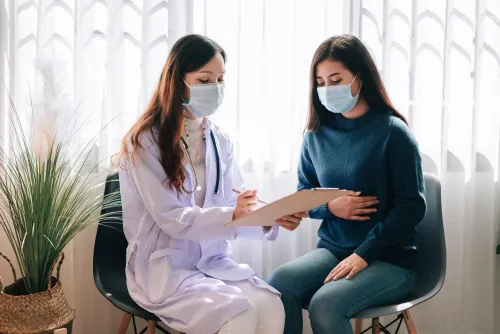
Call the oncology team before leaving for chemotherapy during monsoon in Pune if you feel unwell. Do not arrive unannounced at the unit with a suspected infection; the team may direct you to an assessment area or emergency department.
1. Check your temperature with a digital thermometer before travel and whenever you feel feverish. Use it under your tongue or in your armpit according to the device instructions, and record the reading and time.
A temperature of 38°C (100.4°F) or higher during or after chemotherapy requires immediate contact with the oncology team and urgent medical advice, without waiting for the next appointment. Follow the treating team’s emergency instructions.
2. Call for chills, cough, breathlessness, diarrhoea, vomiting, unusual tiredness, painful urination, mouth sores, a new rash, or redness, swelling, drainage or pain around a port or catheter. Infection symptoms can be muted during treatment, so do not wait for them to become severe.
3. During Pune’s rainy season, fever with headache, body aches, nausea or vomiting can indicate dengue or malaria, not only a treatment side effect. Report mosquito exposure, recent travel, sick contacts and every medicine taken. Do not self-start antibiotics, antimalarials, steroids or pain medicines.
4. Seek urgent advice for persistent vomiting, inability to drink, very low urine output or severe diarrhoea. Dehydration can impair kidney function and delay day chemotherapy in Pune.
What happens during chemotherapy administration in Pune
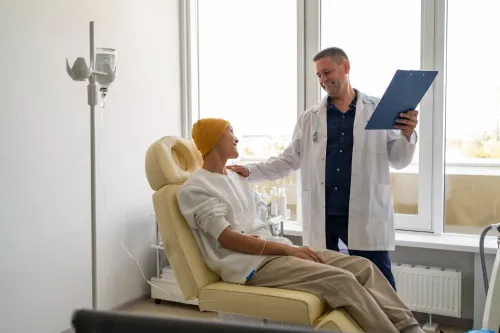
At registration, the unit confirms your identity, appointment and treatment plan. A nurse reviews symptoms, then records weight, temperature, blood pressure, pulse and oxygen level. Staff review blood counts, kidney function, liver function and regimen-specific tests before the oncologist decides whether treatment can proceed.
After approval, chemotherapy administration in pune usually follows this order:
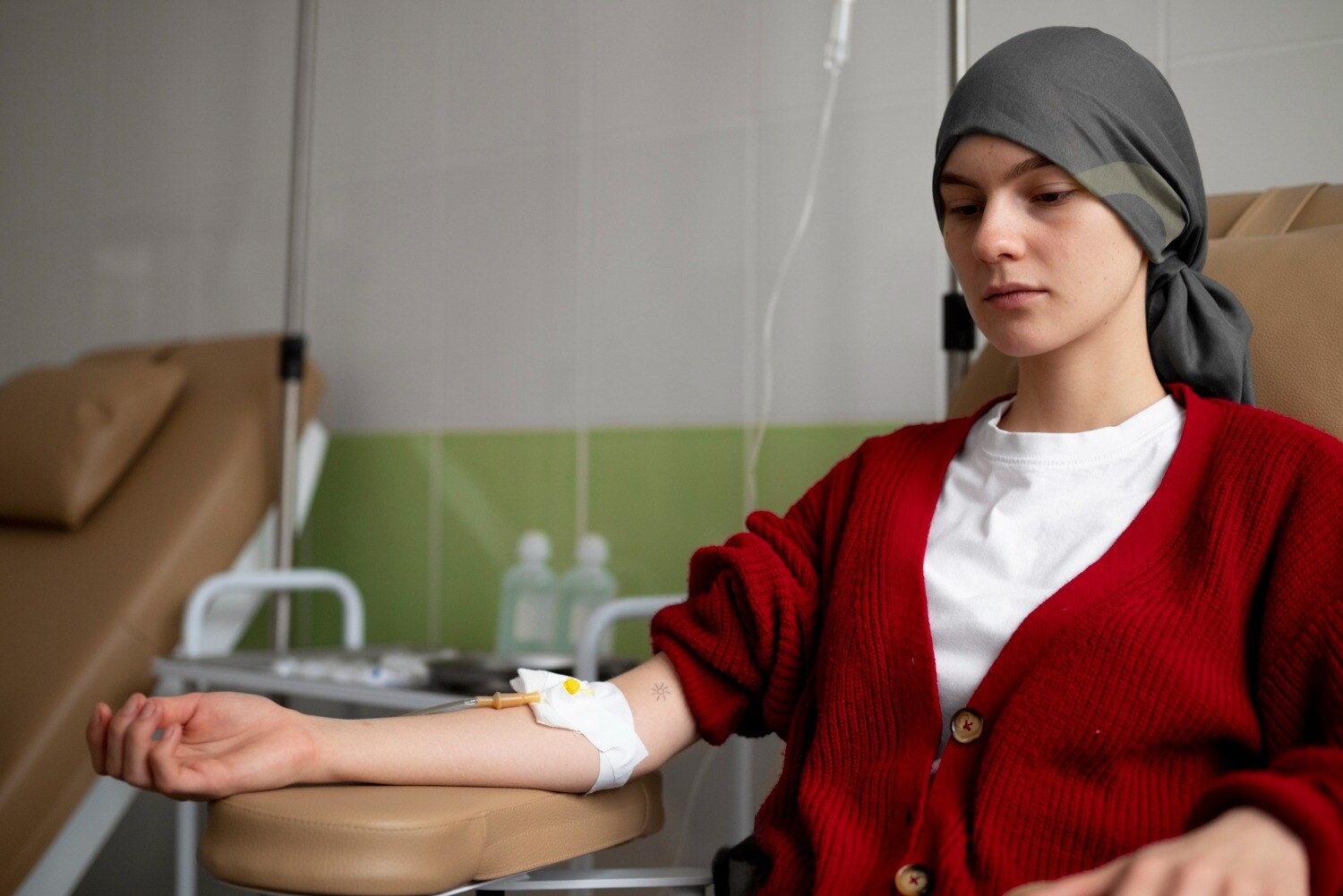
- A nurse inserts a cannula or accesses your port using sterile technique.
- You receive prescribed premedication, such as anti-nausea or allergy-prevention medicine.
- The chemotherapy infusion starts at the prescribed rate.
- Nurses watch for an infusion reaction and check the access site for extravasation, where medicine leaks into surrounding tissue.
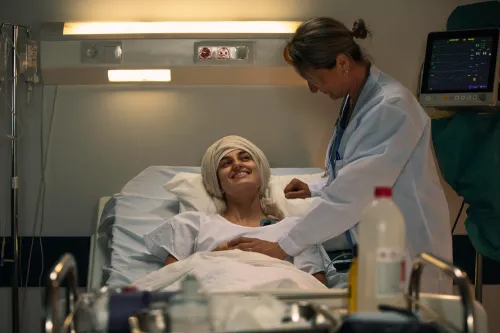
- You remain for post-infusion observation before receiving discharge instructions.
A cannula is removed before discharge. A port or other central access device stays in place only when the treatment plan and unit instructions require it.
daycare chemotherapy in pune does not guarantee same-day discharge.
| Route | What it involves | When it applies |
|---|---|---|
| Same-day discharge | Infusion, observation and home instructions | Stable condition and suitable regimen |
| Hospital admission | Longer monitoring, fluids or inpatient treatment | Prolonged infusion, intensive hydration, high-dose chemotherapy, major first-dose reaction or complications |
Before leaving, ask which medicines to take at home, which symptoms require an urgent call, when your next blood test is due and whom to contact after hours.
How to manage rain delays, a missed appointment and the journey home
Flooding, a failed vehicle or a severe delay threatening arrival requires an immediate call to the oncology unit, prescribing oncologist or stated after-hours number. Do not arrive unannounced or decide alone that monsoon daycare chemotherapy in Pune can be moved.
1. Let the treating team decide whether to reschedule. The decision can depend on blood counts, kidney and liver function, recovery from the previous cycle, hydration, infection symptoms and the protocol’s dose schedule. Never double a dose, move the date yourself or ask another facility to administer treatment without instructions from the treating team.
2. Plan the return journey before treatment. Use a companion, carry discharge papers and emergency numbers, keep medicines dry, and change out of wet clothing rather than standing in it. Arrange a backup vehicle if possible, because transport can fail after discharge.
3. During chemotherapy during monsoon in Pune, contact the team urgently after discharge for fever of 38°C or higher, breathing difficulty, repeated vomiting, confusion, fainting, very low urine output, uncontrolled diarrhoea, or increasing redness and swelling at the access site.
Rain must not delay emergency care. Go to the nearest emergency department or call emergency services for severe breathing trouble, fainting, confusion or rapid deterioration, while informing the oncology team as soon as possible.
How to judge whether a Pune daycare unit is safe for monsoon treatment
A safe unit for day chemotherapy in Pune is defined by its response capacity, not by the number of infusion chairs. Compare units using this checklist:
1. Ask whether trained oncology nurses assess you before every cycle, including symptoms, temperature, blood pressure, weight, blood counts, kidney function, liver function and regimen-specific tests.
2. Confirm that the prescribing oncologist can review a concern promptly, not only at a later appointment. Ask who authorises treatment if your counts are low or you develop fever, dehydration or abnormal organ-function results.
3. Check that emergency medicines, oxygen, monitoring equipment and supplies for treating an infusion reaction or extravasation are immediately available.
4. Ask how nurses monitor you during and after infusion, how long observation lasts, and when a cannula is removed. Confirm that port access, flushing and dressing follow a documented protocol.
5. Request the hospital-admission or emergency-referral pathway. The unit must respond quickly to infection, dehydration, breathing problems, a severe reaction or chemotherapy leaking outside the vein.
6. Ask about hand hygiene, surface cleaning, ventilation, visitor limits, mask instructions, blood-test timing, pharmacy delays and after-hours advice. Clarify what happens if rain prevents a safe return home.
Discuss your regimen, monsoon travel risks, warning symptoms and escalation plan with Dr. Pratik Patil - Best Oncologist in Pune before treatment.
Monsoon weather alone does not make chemotherapy ineffective. Fever, infection, dehydration, abnormal counts, organ-function changes or unsafe travel can change the plan, including delaying treatment or arranging admission.
Related services
Chemotherapy Chemotherapy What is Chemotherapy? Chemotherapy is the most often prescribed treatment procedure for cancer. |
Daycare (chemotherapy administration) Daycare (chemotherapy administration) What is chemotherapy daycare? Chemotherapy is normally given in an outpatient setting known as a chemotherapy daycare. View service → |
Frequently asked questions
How should I plan travel to daycare chemotherapy in Pune during the monsoon?
Check your appointment time, treatment plan, current medicines and recent blood-test reports. Allow extra travel time, monitor flooding and carry documents and medicines in a waterproof bag.
When should I call the chemotherapy unit instead of travelling there?
Call before leaving if you have a fever, repeated vomiting, severe weakness, breathing difficulty or symptoms that concern you. Call also when flooding or major transport disruption could make travel unsafe.
What happens during chemotherapy administration in Pune?
The team confirms your identity, treatment plan, medicines, allergies and test results before starting. Staff check your vital signs, give premedication when prescribed, administer chemotherapy through the planned route and monitor you for reactions.
What should I do after a rain delay or missed chemotherapy appointment?
Call the unit promptly rather than arriving without notice. Ask for a revised appointment, instructions about medicines and whether blood tests or treatment timing must change. After treatment, follow discharge instructions and arrange help if you feel unwell.
How can I judge whether a daycare chemotherapy unit is safe during monsoon?
Ask about trained oncology staff, emergency medicines and equipment, vital-sign monitoring, infection-control procedures, backup power, safe access during flooding and clear arrangements for urgent transfer.
Related service
Hormonal Therapy What is Hormonal Theraphy? Hormonal therapy is a comprehensive term applied to the use of hormones in treating many medical conditions. View service → |