

Finding immunotherapy in Pune starts with identifying the exact cancer indication, biomarker results, and medicine—not with choosing a clinic that uses the word “immunotherapy” in its advertising. You will be able to compare treatment centres, understand the likely components of your bill, and request a written estimate for the prescribed regimen.
Key takeaways
- Confirm the cancer diagnosis, stage and treatment indication before choosing immunotherapy.
- Ask which biomarker tests support treatment, including PD-L1, MSI and mismatch repair testing.
- Request a written cost estimate covering medicines, infusion fees, tests and monitoring.
- Verify the oncologist, hospital pharmacy, emergency support and booking process before treatment.
Which cancers and immunotherapy drugs are treated in Pune?
Eligibility depends on a named cancer diagnosis and an evidence-based indication, not on a promise to “strengthen immunity.” Ask a medical oncologist about immunotherapy treatment in Pune after pathology and staging identify whether the disease fits an approved or clinically supported use.
| Class | Examples | Cancers where it may apply |
|---|---|---|
| Immune-checkpoint inhibitors | Pembrolizumab, nivolumab, atezolizumab, durvalumab, ipilimumab | Melanoma, non-small-cell lung cancer, kidney cancer, bladder cancer, head and neck cancer, Hodgkin lymphoma, and selected breast or colorectal cancers |
| Non-checkpoint monoclonal antibodies | Rituximab, trastuzumab | Selected lymphomas, leukaemias, and HER2-positive breast or stomach cancers |
| CAR T-cell therapy | Patient’s T cells modified to target cancer | Selected blood cancers, including certain lymphomas and leukaemias, at equipped specialist centres |
| Cytokine treatment | Interleukin-2 or interferon-based treatment | Limited, cancer-specific situations; use is narrower than checkpoint therapy |
| Cancer vaccines | Therapeutic vaccine products or clinical-trial vaccines | Specific indications or trials, not a universal treatment for solid tumours |
A high PD-L1 score, mismatch-repair deficiency, microsatellite instability, tumour-mutational burden, or a cancer-specific genomic result can support eligibility, but none guarantees benefit. Treatment can be unsuitable because of the cancer’s stage, prior therapy, poor organ function, or active autoimmune disease.
The oncologist must also select the exact drug, dose, schedule, and whether it is combined with chemotherapy.
What tests decide whether immunotherapy is appropriate?
Eligibility starts with confirming what the tumour is, not with a request for an infusion. A medical oncologist matches the biopsy diagnosis, histology and imaging with test results and medical history before approving a drug.
Your eligibility review usually covers:
- Pathology: The biopsy and immunohistochemistry report must identify the cancer accurately. A treatment for non-small-cell lung cancer is not interchangeable with one for lymphoma or breast cancer.
- Biomarkers: Depending on the cancer, testing can include PD-L1 scoring, microsatellite instability, mismatch-repair status, tumour-mutational burden and cancer-specific genomic changes. A high PD-L1 result does not guarantee benefit, while a negative result does not exclude immunotherapy in every cancer.
- Stage: Scans establish whether the disease is localised, recurrent or metastatic. Stage affects whether immunotherapy is used alone, with chemotherapy, after surgery or not at all.
- Previous treatment: The oncologist reviews chemotherapy, radiotherapy, targeted drugs, prior immunotherapy and any immune-related toxicity. These details can change sequencing and safety.
- Organ function: Kidney, liver, thyroid and blood tests provide a baseline and can reveal risks that require correction or closer monitoring.
- Autoimmune history: Lupus, rheumatoid arthritis, inflammatory bowel disease, organ transplantation, current steroids or other immunosuppressants can shift the risk-benefit decision.
Before booking immunotherapy treatment in Pune, carry the biopsy report, biomarker results, scan reports and treatment summaries to avoid repeat testing. A test result supports a decision; it does not replace the oncologist’s assessment.
How is an immunotherapy infusion planned and delivered?
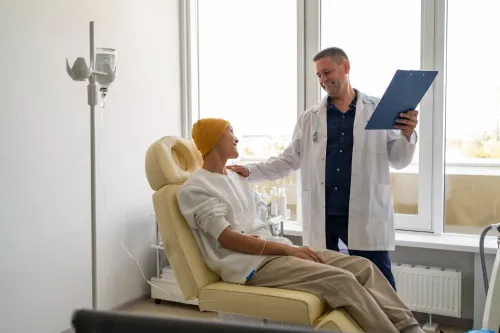
Your first appointment should be with a medical oncologist at a hospital or immunotherapy clinic in Pune that has oncology day-care and emergency support. The oncologist reviews pathology, imaging, stage, previous treatment, current medicines, organ function, and autoimmune history before selecting a drug.
Do not book an infusion advertised as an “immune booster” without a cancer diagnosis and treatment rationale.
Expect this sequence:
1. Consultation: You discuss the treatment goal, alternatives, likely benefits, risks, and the written estimate. The oncologist confirms the exact medicine, dose, schedule, and number of planned cycles.
2. Pre-infusion checks: The centre reviews your symptoms and performs the required blood tests before each dose. Treatment can be delayed for infection, abnormal organ results, or another safety concern.
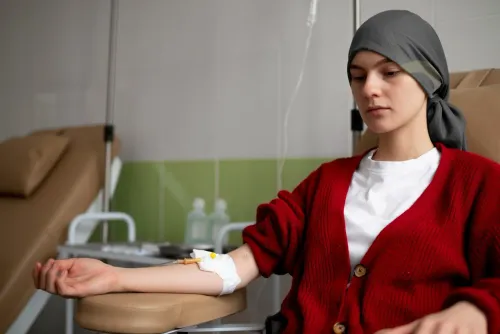
3. Infusion: A nurse places an intravenous line and gives the medicine over the prescribed period. Tell staff immediately if you develop flushing, breathing difficulty, chest discomfort, dizziness, or pain during administration.
4. Observation: Staff monitor you during infusion and for a period afterward. Ask when you can leave and which emergency number to use overnight.
5. Cycles and monitoring: Doses repeat at a fixed interval, such as every two or three weeks. Your oncologist reviews symptoms, examination findings, blood results, and scans before continuing, changing, or stopping treatment.
Report new diarrhoea, cough, rash, jaundice, severe fatigue, or headache promptly. Immune-related side effects can worsen without early treatment and may require steroids, specialist care, hospitalisation, or stopping immunotherapy.
What makes up immunotherapy cost in Pune?
The medicine usually forms the largest part of immunotherapy cost in Pune, but a per-dose price is not a complete treatment estimate. Ask for the exact generic name, strength, dose, treatment interval, brand or biosimilar status, and whether the drug is used alone or with chemotherapy.
| Cost component | What the estimate should show | Why the amount changes |
|---|---|---|
| Medicine | Drug name, dose, number of vials and wastage | Molecule, body weight, brand and treatment schedule |
| Testing | Blood counts, liver and kidney tests, pathology, PD-L1, MSI/MMR or genomic tests | The cancer type and biomarker required |
| Administration | Oncologist consultation, day-care or infusion-chair fee, cannula, pharmacy and nursing charges | Hospital facility and infusion duration |
| Monitoring | Follow-up visits, scans and repeat blood tests | Scan frequency and treatment response |
| Supportive care | Premedication, anti-nausea drugs, fluids and medicines for minor reactions | Drug combination and symptoms |
| Complications | Emergency review, admission, steroids, antibiotics or specialist care | Immune-related effects affecting the bowel, lungs, liver, skin or thyroid |
A written quote should state which items are included and which are billed separately. Otherwise, the initial figure can omit pathology, scans, observation, or treatment for an infusion reaction.
Before paying, ask whether insurance or a government scheme covers the named drug, biomarker testing, administration, scans and complications, and whether pre-authorisation is required. Coverage cannot be assumed because a centre stocks the medicine.
How do you choose a Pune centre and book treatment safely?
Start with a medical-oncology consultation at a hospital that has oncology day-care, trained infusion staff, pharmacy support and emergency services. Avoid any immunotherapy clinic in Pune promising a stronger immune system or universal success without naming the cancer indication, drug and treatment rationale.
Ask the centre to confirm these points before you book immunotherapy in Pune:
- Carry your biopsy and pathology report, immunohistochemistry or molecular results, scan reports and images, previous treatment summaries, discharge records, medication list and allergy history.
- Ask whether your insurer requires pre-authorisation, which hospital and medicine charges it covers, and whether biomarker tests, scans or complication treatment are excluded.
- Ask about patient-assistance programmes, manufacturer support, biosimilar options and suitable clinical trials. Never accept a cheaper substitute without the oncologist’s approval.
- Confirm the proposed start date, drug availability, infusion duration and what happens if a dose is delayed.
Compare the booking evidence you receive:
| Centre response | What it confirms | Warning sign |
|---|---|---|
| Named drug and indication | Evidence-based treatment plan | “Immune booster” with no cancer diagnosis |
| Hospital day-care and emergency backup | Safe infusion and complication support | Stand-alone clinic with no emergency pathway |
| Written estimate | Transparent immunotherapy cost in Pune | Price quoted only “per dose” |
The final quote should state the generic name, strength, dose, schedule, oncologist fee, blood tests, administration, day-care, scans and complication costs. Dr. Pratik Patil - Best Oncologist in Pune can help review whether the proposed plan and estimate match your diagnosis and prior treatment.
Related service
Immunotherapy Immunotherapy What is immunotherapy? Immunotherapy is a type of treatment developed to boost the body’s immune system to help oppose certain types of diseases. |
Frequently asked questions
Which cancers and immunotherapy drugs are treated in Pune?
Pune oncology centres treat selected cancers with immunotherapy drugs when the cancer type, stage, prior treatment and approved or clinically supported indication match. Ask the oncologist to name the proposed drug, treatment purpose and evidence for your diagnosis.
What tests decide whether immunotherapy is appropriate?
The decision uses the pathology report, cancer stage, previous treatment history and biomarker results. Depending on the cancer, the work-up can include PD-L1 testing, mismatch repair or microsatellite instability testing, next-generation sequencing and routine blood tests for treatment safety.
How is an immunotherapy infusion planned and delivered?
The oncology team reviews your diagnosis, medicines, allergies, organ function and baseline symptoms before scheduling treatment. At the centre, staff verify the drug and dose, administer the infusion through a vein, observe you for reactions and provide instructions about symptoms that need urgent attention.
What makes up immunotherapy cost in Pune?
Immunotherapy cost in Pune includes the drug, dose and number of cycles, infusion-chair or hospital fees, oncology consultations, pathology and biomarker tests, blood tests, scans, medicines for side-effect management and treatment of complications. Request an itemised estimate because costs vary by drug and treatment plan.
How do you choose a Pune centre and book treatment safely?
Choose an immunotherapy clinic in Pune with a qualified medical oncologist, licensed medicine supply, trained infusion staff, emergency support and documented follow-up. Carry your pathology, imaging, treatment and medication records, ask for a written plan, and book immunotherapy in Pune only after the oncologist confirms the indication and schedule.