

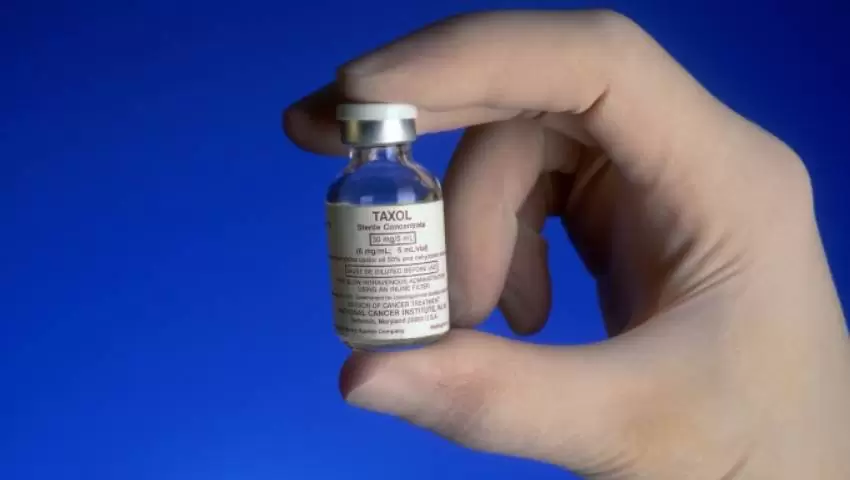
 Chemotherapy before Surgery (Neoadjuvant Chemotherapy)
What Is Neoadjuvant Chemotherapy?
When chemotherapy is your first treatment for cancer, it’s called ‘‘neoadjuvant therapy.’’
It’s often used for advanced breast cancer or large tumors that complicate surgery. But it has other equally important benefits.
When chemotherapy is the first step in your breast cancer treatment, it’s called Neoadjuvant therapies are systemic therapies that come before a main treatment.
Because there are several kinds of breast cancer, not everyone receives the same treatment in the same order. Though neoadjuvant chemotherapy is a good option for some people with breast cancer, it’s not the best choice for everyone.
What is neoadjuvant chemotherapy?
You receive neoadjuvant chemotherapy for breast cancer before your main treatment. In breast cancer, the main treatment is likely to be:
- mastectomy
- breast-conserving surgery (lumpectomy)
- Other treatments include hormone therapy and targeted therapies.
When is neoadjuvant chemotherapy used to treat breast cancer?
Neoadjuvant chemotherapy for breast cancer may be beneficial if you have:
- locally advanced breast cancer with lymph node involvement
- a large tumor that may complicate surgery
- other health concerns that increase the risks of immediate surgery
- inflammatory breast cancer
- triple-negative breast cancer
- HER2-positive breast cancer
There’s a lot to consider, so it comes down to a case-by-case decision. To figure out whether you’re a good candidate, your oncology team will consider any other health concerns you may have.
In addition to a clinical examination, some tests that can help inform the decision are:
- breast MRI
- breast ultrasound
- biopsy
These tests help determine key factors such as:
- tumor type
- grade (aggressiveness)
- whether the cancer has invaded the lymphatic or vascular system
- whether the cancer has spread to distant organs/sites (if it has, then surgery is not an option)
In addition to deciding the order of treatments, this information can help determine which chemotherapy drugs are most likely to be effective.
What are the benefits of neoadjuvant chemotherapy?
If you’re not able to have surgery right away, neoadjuvant chemotherapy can get treatment started. This can help keep cancer from spreading before you’re ready for surgery.
And shrinking a large tumor can lower the risk of complications during surgery.
Other potential benefits are:
- Evaluating chemotherapy drugs: Your oncologist will monitor the size of the tumor. This makes it easier to see how well chemotherapy is working. You can quickly switch to a different drug if the tumor isn’t shrinking.
- Lowering the risk of recurrence: Because chemotherapy is a systemic therapy, it can also kill cancer cells that may have entered the lymphatic or vascular system. This can lower the risk of recurrence.
- Less invasive surgery: Shrinking the tumor may make it possible to have breast-conserving surgery rather than a mastectomy. In some cases rusted Source, neoadjuvant chemotherapy may eliminate the need for surgery.
- Planning purposes: Starting with chemotherapy gives you more time for genetic testing and making decisions about breast cancer surgery and reconstructive surgery.
How is neoadjuvant chemotherapy for breast cancer given?
The specifics of chemotherapy vary from person to person. Aside from the timing, the basic procedures for neoadjuvant and adjuvant chemo are the same.
Chemo is given in cycles. One treatment, or infusion, is sometimes called a “round.” Most, if not all, neoadjuvant chemo regimens are given intravenouslyTrusted Source based on NCCN (National Comprehensive Cancer Network) guidelines.
Following an infusion of chemo, you have a rest period to allow your body to recover. The infusion and rest period is referred to as a “cycle.” Your next infusion begins a new cycle.
A single infusion can take several hours. It varies, but chemo cycles for breast cancer are usually 2 or 3 weeksTrusted Source long.
The number of infusions and the rest period length depend on the drug or combination of drugs and how well it works. If side effects are severe, you may need a longer rest before the next round. This can extend overall treatment time.
Neoadjuvant chemo can last 3 to 6 monthsTrusted Source. Imaging tests will help evaluate the response. With a good response, you may be able to schedule surgery within a few weeks of your last cycle.
What are the potential side effects of neoadjuvant chemotherapy?
Side effects from neoadjuvant and adjuvant chemotherapy are the same. Much depends on the specific drugs, doses, and number of cycles.
Although the list of potential side effects is long, you probably won’t have them all. Some side effects from chemo are:
- fatigue
- hair loss and nail changes
- loss of appetite and weight changes
- nausea and vomiting
- diarrhea or constipation
- mouth sores
- easy bruising and bleeding
- risk of infection
- change in menstrual cycle
- slight decrease in mental function, commonly known as “chemo brain”
Most of these side effects begin to fade when treatment ends. Some potential longer-term side effects may include:
- nerve damage (neuropathy), which can result in numbness, tingling sensations, and pain, particularly in the arms and legs
- premature menopause, which can also increase the risk of heart disease, bone loss, and osteoporosis
- infertility
- Immunotherapy may be given with neoadjuvant chemotherapy
It’s worth noting that immunotherapy, such as pembrolizumab (Keytruda), may be given along with neoadjuvant chemotherapy for some people. These drugs have a different list of side effects.
If you are prescribed immunotherapy and neoadjuvant chemotherapy, talk with your doctor about potential side effects and what to expect.
- 27/06/2024
- DR. PRATIK PATIL
- 0 COMMENTS
- BLOG
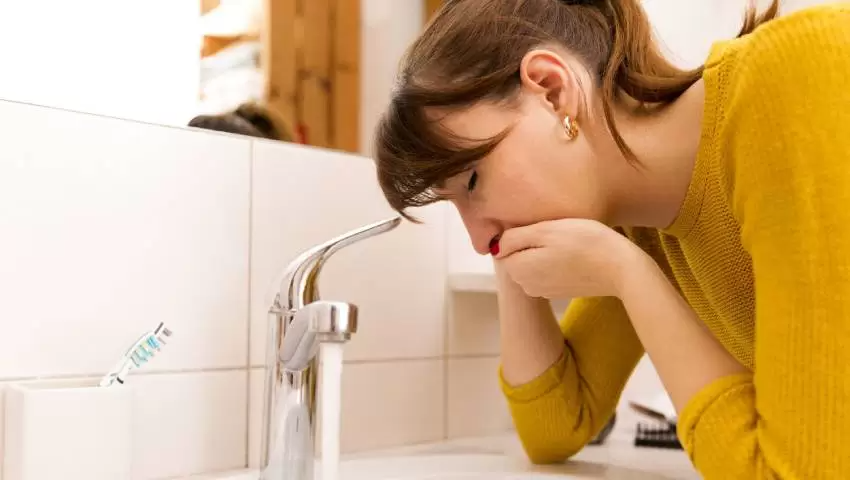
Nausea or Vomiting: What to do at home?
Learn about nausea or vomiting in people with cancer in this guide from by Dr Pratik Patil. Nausea is a common side effect of cancer surgery, chemotherapy, radiation or immunotherapy and some medications.
- Nausea can keep you from eating enough.
- It may or may not be accompanied by vomiting.
- Vomiting may also occur without nausea.
What you can do: Improving your eating behavior?
- Sit upright and bend forward after vomiting.
- Don’t eat or drink until your vomiting is controlled.
- Once vomiting is under control, try drinking small amounts of clear liquids (cranberry juice, Kokam sherbet, sweet lassi, butter milk sweet, dal khichdi or upma etc.).
- When you are able to keep down clear liquids, then try eating small amounts of soft foods such as Roti Sabji, Dal rice, dal khichdi etc.
- Gradually work your way back to your regular diet.
Tips to Reduce Nausea And Vomiting:
- Instead of large meals, eat small amounts of food often.
- Drink beverages between meals instead of with a meal.
- When you feel nauseous, choose foods that appeal to you, and don’t eat food that makes you feel sick. However, don’t eat your favorite foods to avoid linking them to being sick.
- When you can eat, eat foods at room temperature or cooler, as hot food produces a stronger scent, which can start nausea.
- While you eat, sit up and remain sitting up.
- Avoid triggers where possible by recognizing times, foods, smells or events that trigger your nausea. Try to keep kitchens and eating areas well-ventilated if the smell of food triggers your nausea.
- Suck on hard candy with pleasant smells, such as lemon drops or mints, to help get rid of bad tastes.
- Rinsing your mouth can also take bad tastes out of your mouth to reduce nausea. Rinse out your mouth before and after eating (see mouth-rinse preparation below).
Make a Daily Mouth Rinse:
Mix well together:
- 4 cups warm water
- 1 tsp. salt
- 1 tsp. baking soda
Instructions:
Swish a mouthful (for 15 seconds), then spit out the mouth rinse. Do this at least three to five times a day, rewarming as needed.
Foods to Avoid:
Avoid eating fatty, greasy and fried food, including most fast food. Spicy foods also can aggravate nausea, along with foods with strong odors. Foods high in sugar such as candy, cake and rich desserts should be avoided.
Recipe:
- Banana Milkshake
- Blend ingredients well:
- 1 peeled ripe banana
- A few drops of vanilla extract
- 1 cup whole milk
Nutrition facts:
- Serving size: 2 cups
- Calories: 255
- Protein: 9 grams
Notes:
Contact Your Physician if:
You are considering using anti-nausea medications. If you have persistent vomiting and cannot keep liquids down, contact your physician, because it is important to prevent dehydration and unintended weight loss.
Does neoadjuvant chemotherapy improve the outlook of people with breast cancer?
Not everyone has a good response to neoadjuvant chemotherapy. You can have a partial response or no response. It’s also possible to have a complete response, meaning there’s no longer evidence of cancer.
ResearchTrusted Source suggests that when compared with those whose tumors don’t respond to chemo, those with a complete response are more likely to:
- have a long-term disease-free survival
- better overall survival
A recent phase 2 clinical trialTrusted Source involved 50 people with triple-negative or HER2-positive breast cancer. Trial participants had biopsies after finishing neoadjuvant chemotherapy. Results showed that 31 had a complete response. At a median follow-up of 26.4 months, there were no recurrences.
But the timing of chemotherapy is only one factor in breast cancer outlook. Other factors that influence outlook are:
- type of breast cancer
- stage at diagnosis
- tumor grade
- previous treatment
- overall health
Your oncologist can provide a more personal assessment based on your unique factors.
Takeaway:
Neoadjuvant chemotherapy for breast cancer is typically given before your main treatment, which is usually surgery. In some cases, neoadjuvant chemotherapy can result in less invasive surgery.
Not everyone with breast cancer is a good candidate for neoadjuvant chemo. It may benefit those with a large primary tumor, regional spread, or certain types of cancer, such as inflammatory breast cancer.
Imaging tests and biopsy results can help determine whether neoadjuvant or adjuvant chemotherapy is better for you.
- 23/06/2024
- DR. PRATIK PATIL
- 0 COMMENTS
- BLOG
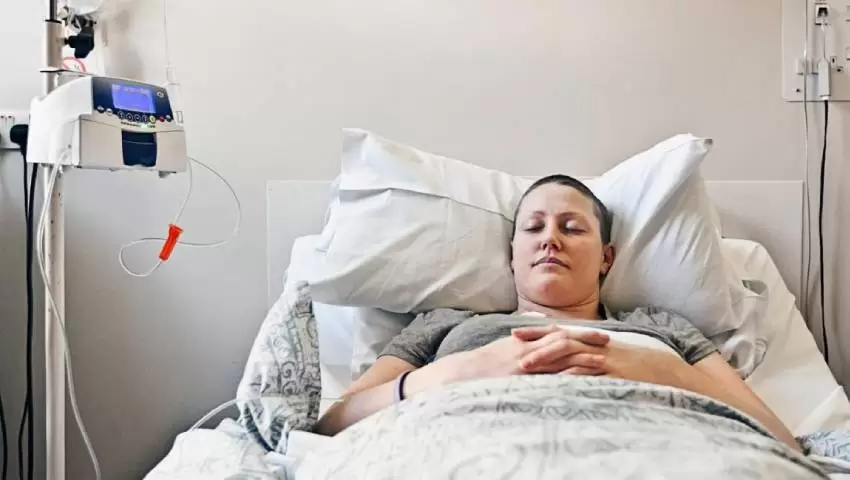
Chemotherapy: What to Expect and How to Prepare
Cancer is a challenging journey, and understanding the treatments available is critical for patients and their families. Chemotherapy is one of the most common and effective treatments for various types of cancer. Dr. Pratik Patil, a renowned cancer specialist in Pune, the experience of more than 10 years in helping chemotherapy and guiding patients through the process. This blog aims to provide a comprehensive overview of what to expect during chemotherapy and how to prepare for it.
Understanding Chemotherapy:
Chemotherapy is a common cancer treatment. It uses drugs to destroy cancer cells and prevent tumor growth. These drugs target rapidly dividing cells, which are a part of cancer cells. However, they can also impact healthy cells, leading to side effects. Chemotherapy can be distributed in different ways, including orally, intravenously (IV), or through injections, depending on the type of cancer and the treatment plan devised by your oncologist.
What to Expect During Chemotherapy?
Initial Consultation and Treatment Plan:
Your journey with chemotherapy begins with a detailed consultation with your oncologist. Dr. Pratik Patil emphasizes the importance of personalized care. During this consultation, he will:
- Review your medical history and assess your current health status.
- Discuss the type of cancer and its stage.
- Explain the goals of chemotherapy (curative, control, or palliative).
- Outline the treatment plan, including the type of drugs, dosage, frequency, and duration.
Administration of Chemotherapy:
Chemotherapy is typically given in cycles, with each cycle followed by a rest period to allow your body to recover. The method of administration will depend on the drugs prescribed:
- Intravenous (IV) Chemotherapy:Treatment in which anticancer drugs are given through a needle or tube inserted into a vein. It may take a few minutes to several hours.
- Oral Chemotherapy:Some drugs are available in medication or capsule form, which you can take at home.
- Injection:The drugs can be injected into a muscle or under the skin.
- Other Methods:Less commonly, chemotherapy can be delivered directly to the cancer site, such as the bladder, abdominal cavity, or central nervous system.
During the treatment, you will be monitored closely by the medical team to manage any immediate side effects and ensure the drugs are administered safely.
Common Side Effects:
Chemotherapy targets rapidly dividing cells, which include not only cancer cells but also healthy cells in the hair coats, digestive tract, and bone marrow. This can lead to side effects, which vary depending on the type and dosage of drugs used:
- Fatigue:Fatigue can occur with many different mental and physical health conditions. Some causes can be serious and can occur with many different mental and physical health conditions. Some causes can be serious. It’s important to balance rest and activity.
- Nausea and Vomiting:Medications are available to control these symptoms.
- Hair Loss:Not all chemotherapy causes hair loss, but when it does, it usually starts a few weeks into treatment.
- Mouth Sores:Sores can develop in the mouth and throat, making eating and drinking uncomfortable.
- Loss of Appetite:Changes in taste and smell can affect your appetite.
- Infections:Chemotherapy can weaken your immune system, making you more susceptible to infections.
- Anemia and Bleeding:Due to reduced production of red and white blood cells and platelets.
Dr. Patil Patil and his team will provide strategies to manage these side effects and support you throughout the treatment.
Preparing for Chemotherapy:
Physical Preparation:
- Medical Tests:Before starting chemotherapy, you may need to experience blood tests, scans, and further evaluations to assess your overall health and organ function.
- Dental Check-Up:A dental check-up is recommended to address any existing dental issues, as chemotherapy can affect the health of your mouth and gums.
- Vaccinations:If you need any vaccinations, discuss with your doctor when to get them, as your immune system will be compromised during chemotherapy.
- Nutrition:Eating a balanced diet helps to maintain your strength and improve your body’s ability to handle treatment. Dr. Patil may recommend consulting with a nutritionist.
- Exercise:Regular, light exercise can help manage fatigue and improve overall well-being. Tailor your activity level to how you feel.
Emotional Preparation:
- Educate Yourself:Understanding your treatment plan and what to expect can reduce anxiety. Dr. Patil encourages patients to ask questions and be informed about their treatment.
- Support System:Build a support system of family, friends, and support groups. Emotional and practical support is vital during this time.
- Mental Health:Consider talking to a counselor or therapist. Chemotherapy can be emotionally taxing, and professional support can be beneficial.
Practical Preparation:
- Work Arrangements:Discuss with your employer about your treatment schedule and the possibility of flexible working hours or taking medical leave.
- Transportation:Position for transport to and from the hospital, especially on days when you might not feel well enough to drive.
- Comfort Items:Bring items to make your treatment sessions more comfortable, such as a blanket, pillow, books, or music.
- Household Help:Arrange for help with household chores, childcare, and errands to reduce your stress and focus on your recovery.
After Chemotherapy:
Recovery and Follow-Up:
- After each cycle, give your body time to recover.
- Attend all follow-up appointments to monitor your progress and adjust the treatment plan if necessary.
- Patil will conduct regular tests to evaluate the effectiveness of the chemotherapy and make any needed changes to your treatment.
Emotional and Physical Well-Being:
Physical healthincludes getting enough sleep at night, eating balanced meals, and staying active.Mental healthrefers to your ability to process information.Emotional healthis how you express feelings based on the information you have processed. Focus on a healthy lifestyle, including balanced nutrition and physical activity, to aid your recovery.
Chemotherapy is a crucial component of cancer treatment, and living well-prepared can make the process more effortless. Dr. Pratik Patil is a highly respected cancer specialist in Pune. Understanding what to expect and how to prepare for chemotherapy can empower you and your loved ones to face the challenges with confidence and hope.
Dr. Pratik Patil’s Advanced Chemotherapy treatment can help you on your journey. He has a special interest in chemotherapy treatment. He Provides the best care to patients with the latest and most advanced treatment options. For more information about cancer and treatment options, or to book an appointment with the best Cancer Specialist in Pune call +91 9637439163 or Click on Book Appointment for online booking.


